Health
I keep a public ledger of my own health data: bloodwork, bone density, body composition, medical and dental records, genetics, prescriptions, supplements, vaccines, and the daily protocols behind them. Every measurement is dated. The latest bloodwork draw is from Jul 2026, and the latest bone scans are from Aug 2026.
These are personal records, not medical advice.
Overview
At a glance
The latest result in every area, as of Oct 13, 2026. Each card opens its section.
- Bone densityZ −3.1Lumbar spine, Aug 2026below the expected range for age
- Bloodwork49 of 51optimal, Jul 2026 draw1 suboptimal, 1 out of range
- Blood pressure113/71Sharp endoscopy, Apr 2026normal
- Glucose monitor99% in rangeaverage 112 mg/dL, Nov 2022GMI 6.0%
- Body composition17.2% fatBodySpec, Aug 2026muscle mass below target
- GumsHealthy0% bleeding, Apr 20267 OralDNA tests
- ColonoscopyNormalentire colon, Apr 2026next Apr 2031
- AllergiesMold, grass, venomstrongest: Alternaria alternata, Dec 2024allergy shots since 2021
- Hearing and visionNormalhearing Nov 2023; mild myopia and astigmatismcontact lens Rx Jan 2025
- Genetics6 flags23andMe, InsideTracker, OralDNA, Genetic Genie, Prometheasestatin-tolerant (SLCO1B1 normal function)
Overview
What I am working on
- Low bone density for my age: spine Z-score −3.1 and hip −2.0 to −2.1 on the August 2026 clinical scan
- Chronic lower back, shoulder, and neck pain
- Borderline high liver enzymes (AST and ALT)Latest: ALT 21 U/L, Jul 2026 optimal; AST 29 U/L, Jul 2026 optimal
- High cortisolLatest: Cortisol 11 µg/dL, Jul 2026 optimal
- High SHBGLatest: SHBG 51 nmol/L, Jul 2026 high
- High HbA1c (against my personal target; still within the lab range)Latest: HbA1c 5.2 %, Jul 2026 optimal
- Graying hair in my beard
- Deviated septum, with an average of 48 minutes of snoring a night
Overview
Coming up
Follow-ups my doctors have asked for, from Dr. Bradley S. Rosen's plan and the other records.
- OpenCancer genetics consult for the family history of colon cancerReferral, Jan 2026
- NowEndocrinology consult (booked Oct 14) and the bone-loss labs it ordersDoctor's plan, Aug 2026
- NowENT visit to look at the vocal cords (new hoarseness)Referral, Oct 2026
- Every 2 weeksAllergy shots, next on Oct 15Sharp injection clinic
- By Jan 2027Recheck the lipid panel after easing off the statinDoctor's plan
- Aug 2027Repeat the clinical DEXA scan, same scannerDoctor's plan
- Oct 2027Tdap booster (ten years after the last)Vaccine record
- Apr 2031Next colonoscopy (5 years, for the family history)Colonoscopy report
Overview
Timeline
Every dated record on this page in one list: 76 entries since Jan 2015, newest first.
- Oct 13, 2026VisitAllergy shot follow-up · Sharp allergy (video)
- Aug 6, 2026ScanClinical bone density scan (spine and hip) · Sharp Rees-Stealy
- Aug 4, 2026VisitLongevity and preventive-health visit · Dr. Bradley S. Rosen
- Aug 3, 2026ScanWhole-body DEXA scan · BodySpec
- Jul 20, 2026BloodworkBlood draw · 51 markers
- Apr 2, 2026ProcedureColonoscopy · Sharp endoscopy
- Apr 1, 2026DentalDental cleaning
- Apr 1, 2026TestOralDNA gum-bacteria test
- Jan 5, 2026VisitPrimary care visit · Sharp primary care
- Nov 25, 2025DentalDental cleaning
- Nov 25, 2025TestOralDNA gum-bacteria test
- Oct 30, 2025VaccineCovid-19
Show all 76
- Oct 30, 2025VaccineInfluenza
- Aug 6, 2025DentalDental cleaning
- Aug 6, 2025TestOralDNA gum-bacteria test
- Jun 6, 2025DentalDental exam and cleaning
- Jun 6, 2025TestOralDNA gum-bacteria test
- Mar 12, 2025DentalDental cleaning
- Mar 12, 2025TestOralDNA gum-bacteria test
- Jan 24, 2025VaccineInfluenza
- Jan 14, 2025VisitEye exam, contact lens prescription
- Dec 20, 2024BloodworkBlood draw · 22 markers
- Dec 20, 2024VisitAllergy consultation and retesting · Sharp allergy
- Dec 10, 2024DentalDental cleaning
- Dec 10, 2024TestOralDNA gum-bacteria test
- Sep 18, 2024DentalDental cleaning
- Sep 18, 2024TestOralDNA gum-bacteria test
- Aug 13, 2024VaccineHepatitis B
- Aug 13, 2024VaccineInfluenza
- Aug 5, 2024VisitAnnual physical · Sharp primary care
- Jul 11, 2024DentalDental cleaning
- May 25, 2024ScanWhole-body DEXA scan · Dexa Body
- May 20, 2024BloodworkBlood draw · 88 markers
- Apr 4, 2024DentalDental exam and cleaning
- Mar 8, 2024VisitAllergy shots, every 2 to 6 weeks · Sharp allergy
- Nov 6, 2023TestHearing test · normal
- Oct 5, 2023VaccineCovid-19
- Oct 3, 2023BloodworkBlood draw · 7 markers
- Sep 27, 2023VaccineInfluenza
- Sep 14, 2023BloodworkBlood draw · 51 markers
- May 26, 2023VisitRight foot X-ray · Sharp radiology
- May 12, 2023BloodworkBlood draw · 59 markers
- Jan 31, 2023VisitFirst longevity visit · Dr. Rosen
- Jan 9, 2023BloodworkBlood draw · 2 markers
- Dec 23, 2022VaccineCovid-19
- Dec 23, 2022VaccineInfluenza
- Dec 14, 2022BloodworkBlood draw · 49 markers
- Dec 1, 2022VaccineInfluenza
- Sep 20, 2022VaccineOrthopoxvirus
- Sep 2, 2022VaccineCovid-19
- Sep 2, 2022VaccineInfluenza
- Jul 20, 2022VaccineOrthopoxvirus
- Jun 10, 2022VisitFire ant reaction review · Sharp allergy
- Dec 10, 2021VisitAllergy testing · Sharp allergy
- Oct 25, 2021VaccineCovid-19
- Oct 11, 2021VaccineInfluenza
- Apr 1, 2021VaccineCovid-19
- Mar 3, 2021VaccineCovid-19
- Nov 20, 2020VisitSore throat after a COVID exposure · Sharp
- Oct 19, 2020BloodworkBlood draw · 9 markers
- Oct 19, 2020VaccineInfluenza
- Feb 12, 2020BloodworkBlood draw · 9 markers
- Feb 12, 2020VaccineInfluenza
- Oct 6, 2017VaccineInfluenza
- Oct 6, 2017VaccineTd, Tdap
- May 31, 2017VisitEye exam, glasses prescription
- Dec 7, 2016VisitItchy rash · UCSD Student Health
- Aug 12, 2016BloodworkBlood draw · 36 markers
- Aug 12, 2016VaccineHPV
- Aug 10, 2016VisitRectal bleeding · UCSD Student Health
- Feb 18, 2016BloodworkBlood draw · 35 markers
- Feb 17, 2016VisitWatery stools · UCSD Student Health
- Jan 13, 2016BloodworkBlood draw · 35 markers
- Jan 13, 2016VaccineHPV
- Dec 1, 2015VaccineHPV
- Jan 2, 2015VaccineInfluenza
Measurements
Bone density
Bone density is the main thing I am working on. The clinical spine and hip scan from Aug 6, 2026 is the one that counts; the two whole-body scans add a rough total-body score.
- Below the expected range for age (−2.0 or lower)
- Low end of the expected range
- Expected for age (−1.0 or higher)
Clinical scan · Sharp Rees-Stealy, Aug 6, 2026
- Lumbar spine (L1–L4)diagnostic site−3.1 · 0.857 g/cm²below the expected range for age
- Vertebra L1part of L1–L4−3.2 · 0.784 g/cm²below the expected range for age
- Vertebra L2part of L1–L4−2.7 · 0.919 g/cm²below the expected range for age
- Vertebra L3part of L1–L4−2.6 · 0.935 g/cm²below the expected range for age
- Vertebra L4part of L1–L4−3.6 · 0.795 g/cm²below the expected range for age
- Femoral neck (left)diagnostic site−2.1 · 0.780 g/cm²below the expected range for age
- Total hip (left)diagnostic site−2.0 · 0.787 g/cm²below the expected range for age
Whole-body scans · a rough screen, not diagnostic
- Total body, Aug 2026BodySpec−1.4 · 1.060 g/cm²screening estimate
- Total body, May 2024Dexa Body−0.6screening estimate
Z-score: standard deviations from the average for my age and sex. For men under 50 this is the score clinicians use.
How to read these numbers
- For men under 50, the International Society for Clinical Densitometry says to read the Z-score, which compares bone density with people of the same age and sex. A Z-score of −2.0 or lower is “below the expected range for age.” Osteopenia and osteoporosis are T-score categories written for people over 50, and under 50 osteoporosis is not diagnosed from bone density alone.
- Fracture risk rises about 1.5-fold for each standard deviation of lower bone density (about 2.6-fold at the hip), which is why scores between −1.0 and −2.0 show as the low end of the expected range.
- Only the lumbar spine and the hip (sometimes the forearm) are used for diagnosis. The total-body score from a body composition scan is a rough screen: it includes the dense skull, and GE Lunar adjusts its Z-score for body weight. That is how the whole-body scans read −0.6 and −1.4 while the spine read −3.1.
- The three scans came from three machines at three sites, and readings from different machines are not compared directly. On the same machine, a spine change has to be about 5% before it counts as real, so the next clinical scan on the same scanner is the one to compare with this one.
Sources: ISCD 2023 adult official positions · Marshall et al. 1996, BMJ · ISCD precision and least significant change · University of Washington: reading a DEXA report
Measurements
Body composition
Whole-body DEXA scans from Dexa Body (May 2024) and BodySpec (Aug 2026). Changes are shown against the first scan.
- Lean
- Fat
- Bone
- May 2024 · Dexa Body113.9 lb total93.7lean 93.7 · fat 15.7 · bone 4.5 (bone derived: total minus lean and fat)
- Aug 2026 · BodySpec118.3 lb total93.5lean 93.5 · fat 20.3 · bone 4.4
By region
| Region | May 2024 | Aug 2026 | Change |
|---|---|---|---|
| Right arm | 5.1 | 5.2 | +0.1 |
| Left arm | 5.5 | 4.9 | −0.6 |
| Trunk | 46.0 | 43.9 | −2.1 |
| Right leg | 15.4 | 16.6 | +1.2 |
| Left leg | 14.7 | 16.1 | +1.4 |
| Android (belly) | 6.4 | 6.9 | +0.5 |
| Gynoid (hips, thighs) | 13.8 | 14.0 | +0.2 |
Pounds of tissue as printed by each report. Two different scanners and sites, so treat changes under about 1 lb as noise.
Measurements
Blood pressure and weight
Every blood pressure on record, from student-health visits in 2016 to the dental chair and the colonoscopy suite in 2026.
Latest 113/71 mmHg, Apr 2, 2026 · normal
18 readings
Each bar runs from the bottom number (diastolic) to the top (systolic). Lines at 80 and 120 mmHg mark the normal limits; green is normal, amber elevated or stage 1, red stage 2 (ACC/AHA 2017).
Every reading
| Date | mmHg | Pulse | Category | Where |
|---|---|---|---|---|
| Apr 2, 2026 | 113/71 | 69 | normal | Sharp endoscopy |
| Apr 1, 2026 | 112/85 | 57 | stage 1 high | dental office |
| Jan 5, 2026 | 100/62 | 60 | normal | Sharp primary care |
| Nov 25, 2025 | 113/86 | 59 | stage 1 high | dental office |
| Aug 6, 2025 | 118/72 | normal | dental office | |
| Jun 6, 2025 | 97/61 | 55 | normal | dental office |
| Aug 5, 2024 | 106/64 | 66 | normal | Sharp physical |
| Jan 9, 2023 | 112/82 | stage 1 high | self-reported | |
| Dec 10, 2021 | 100/67 | normal | self-reported | |
| Oct 19, 2020 | 90/60 | normal | self-reported | |
| Feb 12, 2020 | 100/60 | normal | self-reported | |
| Dec 7, 2016 | 122/77 | 72 | elevated | UCSD |
| Aug 23, 2016 | 116/70 | 61 | normal | UCSD |
| Aug 10, 2016 | 115/86 | 110 | stage 1 high | UCSD |
| Feb 17, 2016 | 124/79 | 100 | elevated | UCSD |
| Jan 20, 2016 | 111/75 | 72 | normal | UCSD |
| Jan 16, 2016 | 119/81 | 70 | stage 1 high | UCSD |
| Jan 13, 2016 | 115/80 | 77 | stage 1 high | UCSD |
Weight and BMI at clinic visits
- Apr 2, 2026112 lbBMI 19.9
- Jan 5, 2026115 lbBMI 20.5
- Aug 5, 2024113.4 lbBMI 20.2
- Jan 31, 2023108 lbBMI 19.1
- Dec 7, 2016114.4 lbBMI 19.9
- Aug 23, 2016115 lbBMI 20.4
- Aug 10, 2016112.4 lbBMI 19.6
- Feb 17, 2016110 lbBMI 19.2
- Jan 20, 2016113.8 lbBMI 19.8
- Jan 13, 2016110 lbBMI 19.2
Clinic readings unless marked self-reported. The UCSD pulse of 110 in Aug 2016 came at a visit for a painful problem; the intake-form pulse of 54 is a resting rate from a watch. Height measures 5 ft 2.8 in at Sharp. Scan weights are in Body composition above.
Measurements
Bloodwork
13 draws since 2016, from InsideTracker, Ulta Lab Tests, Sharp and UCSD Student Health, each result graded against an evidence-based optimal band rather than the lab's population range. On May 20, 2024 two services drew the same morning; where both measured a marker, the InsideTracker result is shown.
Latest draw · Jul 20, 2026
51 markers graded
- 49Optimal
- 1Suboptimal
- 1Out of range
Worth a look in the latest draw
Not retested since
Older results outside their optimal band. The Jul 2026 panel did not include these markers, so each one shows the last time it was measured.
Green is the evidence-based optimal band. Yellow is outside optimal but not yet a problem. Red is outside the lab's range, or past a level that outcome studies tie to risk. Open a marker for every result, the reasoning behind its band, and the sources. Each marker is graded against one range, the current lab's, so an old result from a different lab can read differently from its own report.
All 13 draws, 2016 to 2026
- Jul 20, 2026InsideTracker
- Dec 20, 2024Sharpreport (PDF)
- May 20, 2024InsideTracker and Ulta Lab Tests
- Oct 3, 2023Sharp
- Sep 14, 2023InsideTracker
- May 12, 2023InsideTracker and Ulta Lab Tests
- Jan 9, 2023Sharp
- Dec 14, 2022InsideTracker
- Oct 19, 2020Sharpreport (PDF)
- Feb 12, 2020Sharpreport (PDF)
- Aug 12, 2016UCSD Student Health
- Feb 18, 2016UCSD Student Health
- Jan 13, 2016UCSD Student Health
Cardiovascular
9 optimal9 markers| Marker | Latest | Status | Optimal and lab range | Trend |
|---|---|---|---|---|
| 38 mg/dL | optimal | optimal ≤ 59 · lab ≤ 90 | ||
Why ≤ 59: ApoB counts every atherogenic particle and risk falls with no floor seen in trials, so the target is below 60 (Attia's ceiling, about the 5th percentile, tighter than the ESC/EAS very-high-risk goal of below 65). Strength of evidence: moderate. Red at 90 matches the lab limit, the NLA primary-prevention goal (below 90) and the LDL-C red line of 100. Attia argues that ApoB held below about 40 (LDL-C below about 30) leaves very low lifetime odds of ASCVD, and PCSK9 trials (FOURIER, FOURIER-OLE) showed no safety signal at LDL-C below 20, so there is no evidence-based floor. ApoB is the best single lipid target on statin plus ezetimibe because calculated LDL-C is least accurate at very low levels. Rapamycin can raise LDL and triglycerides (a known sirolimus effect at transplant doses; in the PEARL trial of weekly dosing, blood markers stayed in normal ranges), so recheck ApoB after any rapamycin dose change. A vegan diet low in saturated fat helps. Sources: Attia · Comments on the 2019 ESC/EAS dyslipidaemia guidelines · NLA recommendations for patient-centered management of dyslipidemia, part 1 | ||||
| 94 mg/dL | optimal | optimal ≤ 199 · lab ≤ 200 | ||
Why ≤ 199: Total cholesterol mixes harmful (ApoB) and HDL cholesterol, so no evidence-based optimal sub-range exists; low values reached with statin plus ezetimibe are not harmful. Strength of evidence: limited. Fell back to the lab range, with no low-side red: very low values reached on lipid-lowering drugs are not a harm signal. Readings of 80 to 110 are drug-induced (atorvastatin plus ezetimibe on a vegan diet). The low-cholesterol mortality signal in old cohorts comes from reverse causation (cancer, liver disease, frailty, malnutrition lower cholesterol), not from low cholesterol itself; genetic studies of lifelong low LDL show longer lifespan, and PCSK9 trials found no harm at LDL-C below 20. Judge lipid status by ApoB, LDL-C and non-HDL instead. Sources: Prospective Studies Collaboration 2007 · Low-density lipoprotein cholesterol and lifespan · Gaba et al. 2023 | ||||
| 48 mg/dL | optimal | optimal 40–96 · lab ≥ 40 | ||
Why 40–96: HDL has a U-shaped link with mortality (lowest in men at about 58 to 76 mg/dL, higher below 39 and above 96), but HDL is not causal, so the whole middle band counts as optimal. Strength of evidence: limited. Raising HDL with drugs (niacin, CETP inhibitors) did not cut events, and genetic studies do not support HDL as causal, so 40 to 57 is not treated as suboptimal here even though the lowest-mortality band in men sits at about 58 to 76. Low HDL matters most when it comes with high triglycerides and insulin resistance; with triglycerides of 30 to 63 and fasting insulin about 2, readings of 42 to 48 do not carry that meaning. Vegan diets and very low LDL often run lower HDL. The red line at 116 is a tighter threshold than the lab's 200, chosen because Madsen 2017 found about double all-cause mortality in men at that level (association, not proven cause). Sources: Editorial on Madsen et al. 2017 · Ko et al. 2016 | ||||
| 37 mg/dL | optimal | optimal ≤ 54 · lab ≤ 100 | ||
Why ≤ 54: Lower LDL-C means fewer events with no floor seen: FOURIER found the lowest risk and no extra adverse events below 20 mg/dL, so the aggressive goal is the ESC/EAS very-high-risk target of below 55. Strength of evidence: strong. The lab LDL-C is usually calculated; the Friedewald formula underestimates LDL-C when it is very low, so prefer the Martin-Hopkins or Sampson calculation, a direct LDL, or simply ApoB. Statin plus ezetimibe explains the 24 to 54 readings; values this low are expected and were safe in PCSK9 trials over 8 years. Rapamycin can push LDL-C up. Attia's view is that sustained LDL-C below about 30 gives very low lifetime ASCVD odds. Sources: ACC summary of the 2019 ESC/EAS dyslipidaemia guidelines · Giugliano et al. 2017, Lancet · Gaba et al. 2023 | ||||
| 70 mg/dLDec 2024 | optimal | optimal ≤ 84 · lab ≤ 130 | ||
Why ≤ 84: Non-HDL cholesterol counts the cholesterol in every ApoB particle, so it is the next best target after ApoB; the ESC/EAS guideline sets its goal 30 mg/dL above the LDL-C goal, below 85 for the very-high-risk tier this page uses for LDL-C. Strength of evidence: strong. Red at 130 matches the lab limit and the NLA primary-prevention goal. Non-HDL works on a non-fasting sample, which makes it useful for clinic draws like the Dec 2024 one. It was printed only on the Sharp lipid profile; the InsideTracker reports leave it out. Sources: ACC summary of the 2019 ESC/EAS dyslipidaemia guidelines · NLA recommendations for patient-centered management of dyslipidemia, part 1 | ||||
| 2.6 Dec 2024 | optimal | lab ≤ 5 | ||
No separate optimal band: the lab range is the target. | ||||
| < 10 nmol/LMay 2023 | optimal | optimal ≤ 75 · lab ≤ 75 | no chart: results reported as detection limits, listed in the expanded row | |
Why ≤ 75: Lp(a) risk rises continuously with level; the EAS 2022 consensus treats below 75 nmol/L as ruled out and above 125 as raised risk. Strength of evidence: strong. Mostly genetic and stable; EAS says measure at least once in adulthood, repeat only for kidney or liver disease or acute illness. The 2023 result of below 10 nmol/L is very low, so Lp(a) adds no risk here. Statins do not lower Lp(a) (they can raise it slightly); diet barely moves it. Do not convert nmol/L to mg/dL with a fixed factor except as a rough guide. | ||||
| 3.1 uMMay 2023 | optimal | optimal ≤ 6.1 · lab ≤ 6.2 | ||
Why ≤ 6.1: Higher TMAO tracks higher cardiovascular events and mortality in cohorts, but the evidence is associational and confounded by kidney function and diet, so no tighter optimal than the lab cut-off is justified. Strength of evidence: limited. Fell back to the lab range. A vegan diet keeps TMAO low (little carnitine and choline-rich animal food, and gut bacteria adapted to plants). Fish and seafood raise TMAO directly, so skip them the day before testing. Kidney function strongly affects levels. TMG (betaine) and dietary choline are TMAO precursors, so the supplement could nudge it up a little; the 2023 reading of 3.1 shows this is not a problem. The test is not FDA cleared. Sources: Quest Diagnostics TMAO test guide · Cleveland Clinic | ||||
| 30 mg/dL | optimal↗ closer to target | optimal ≤ 99 · lab ≤ 150 | ||
Why ≤ 99: The 2011 AHA scientific statement on triglycerides set below 100 mg/dL as the optimal fasting level; triglycerides mark remnant (ApoB-carrying) particles. Strength of evidence: strong. Fasting readings of 30 to 63 are excellent, and the non-fasting 122 in Dec 2024 is still under the line; very low triglycerides on a vegan, low-sugar diet are not harmful and have no evidence-based floor. Rapamycin (sirolimus) is known to raise triglycerides, so a jump after a dose change points there first. Algal omega-3, metformin, acarbose and berberine all tend to lower triglycerides. A non-fasting sample reads higher; compare fasting with fasting. Sources: Miller et al. 2011 · MDedge | ||||
Measurements
Glucose monitor
A month on a continuous glucose monitor, winter 2022 to 2023: the readout that pairs with fasting glucose and HbA1c above.
Dexcom G6, Nov 29, 2022 to Dec 30, 2022: 31 of 32 days of data.
- Average
- 112mg/dL
- Time in range
- 99%70 to 180 mg/dL
- GMI
- 6.0%estimated A1c
- Variability
- 17.9%CV; under 36% is stable
Under 1% of readings were high and under 1% low. The lab HbA1c that month was 5%, lower than the monitor's estimate; gaps like this are common, and the lab value is the one guidelines use.
A day in detail, Dec 2022: 428 readings over 1.5 days
Line: hourly average. Shading: the middle half of readings. Green band: the 70 to 180 mg/dL target. Flat around 80 to 105 all night and day, with one rise after the evening meal (4 to 8 PM eating window) that peaks near 200 and is back near 100 by 10 PM.
Medical
Doctor’s plan
The priorities from my latest longevity and preventive-health visit.
Dr. Bradley S. Rosen · biogerontology, lipidology, and preventive health · visit of Aug 4, 2026
Labs remain excellent across the board and cardiovascular risk is about as low as it gets. The biggest modifiable risk over the coming decades is bone density.
Priority 1
Bone density
- Endocrinology or osteoporosis consult, with a formal bone density test to check the DEXA scans
- Labs for secondary causes of bone loss: PTH, calcium, phosphorus, magnesium, vitamin D, TSH, testosterone, estradiol, and possibly a celiac panel
- Resistance and weight-bearing training aimed at loading bone
Priority 2
Statin
- Ease off atorvastatin (from three times to twice a week, or a lower dose), keep ezetimibe at 5 mg most days
- Accept a deliberate rise in LDL and ApoB, then recheck the lipid panel in 10 weeks to 5 months
Priority 3
Supplements
- Simplify the stack: drop some, cycle others instead of taking them daily
- This monthLower the statin, book the bone consult, order bone labs, trim supplements
- 10 weeks to 5 monthsRecheck the lipid panel
- 12 monthsRepeat DEXA
The first visit's plan, Jan 2023
- Keep the plant-based diet
- Lower LDL and ApoB from the mid-50s toward the mid-30s mg/dL or lower
- A low-dose statin in the evening 2 to 3 times a week; hold off on ezetimibe for now
- Start monitoring blood pressure
- Build acarbose from 25 mg toward 50 to 75 mg a day
- Psyllium husk, 2 teaspoons every day for life
- At least 400, ideally 500, minutes of exercise a week, about 20% high intensity
- Rucking, building to 30 to 40 lb, for bone density
- Morning sunlight; daily sunscreen and regular skin checks
- More spermidine-rich vegetables, whole fresh fruit, grains and cereals
- Methyl B vitamins 2 to 3 times a week
- Read up on urolithin A, alpha-ketoglutarate and low-dose lithium orotate
- Stop grapefruit juice with weekly rapamycin, so each dose is a sharp pulse
- Weigh rapamycin and metformin against fertility: pause, limit to about 3 years, or bank sperm if children are planned soon
- Hold off on canagliflozin because of possible effects on bone density
- First colonoscopy at 35
Labs ordered: TSH, Lipoprotein(a), Fasting insulin, C-peptide.
Medical
Conditions
Everything on my problem lists since 2016, in plain words: 11 current or watched, the rest resolved.
Active · 8
Low bone density for agesince May 2024
First seen on a whole-body DEXA in May 2024 and confirmed on the clinical scan in Aug 2026. Dr. Rosen put it in the bottom 10 percent for age and sex if the scans are accurate, and called it the biggest modifiable risk for the decades ahead.
Mixed hyperlipidemiasince Jan 2026
The chart label for the lipid treatment. On atorvastatin and ezetimibe, ApoB and LDL sit far below the plaque threshold.
Allergic rhinitis: outdoor mold and grassessince childhood
Year-round with seasonal flares, since childhood in Michigan. On allergy shots since 2021, plus a steroid nasal spray.
Stinging-insect venom allergysince childhood
A whole-body reaction to a bee sting as a child, charted as anaphylaxis. On venom shots since about 2022, with no stings since.
Throat reflux (LPR) and vocal cord dysfunctionsince Dec 2021
Charted in Dec 2021. New, frequent hoarseness in Oct 2026, not thought to be reflux, led to an ENT referral to look at the vocal cords.
Deviated septum and enlarged nasal turbinatessince Nov 2023
Charted in Nov and Dec 2023; a likely contributor to nightly snoring.
Chronic low back painsince May 2023
Since a deadlift strain in Oct 2022.
Family history of colon cancersince Jan 2026
The reason for a first colonoscopy at 34 and a 5-year repeat, and for a referral to cancer genetics.
Watching · 3
Impaired glucose tolerancesince Jan 2023
Charted in Jan 2023, the reason acarbose and metformin are on the list. Every HbA1c since has been under 5.7%, and a month on a glucose monitor stayed 99% in range.
Periodontitissince Jun 2025
Managed with cleanings every three months and saliva tests; charted as healthy gums at each cleaning since Aug 2025.
Small internal hemorrhoidssince Aug 2016
Bleeding hemorrhoids in 2016, treated with cream and more fiber; seen as small and quiet on the 2026 colonoscopy.
Resolved · 7
Right-ear tinnitussince Mar 2023
Ringing, fullness and an earache in the right ear in spring 2023 that faded on their own; the Nov 2023 hearing test was normal.
Skin spots on the necksince Jan 2026
Three small spots on the left jawline and neck, present 6 to 8 months, frozen off (cryotherapy) on Jan 5, 2026.
Suspected glass in the right footsince May 2023
An X-ray on May 26, 2023 found no foreign body and normal bones and joints.
Fire ant bitessince Jun 2022
A whole-body itchy rash with swelling after many bites, judged not anaphylaxis; no fire ant shots needed and venom IgE was undetectable in 2024.
Sore throat after a COVID exposuresince Nov 2020
Rapid and lab strep tests and a COVID PCR were all negative.
Itchy rash (contact dermatitis)since Dec 2016
Red, itchy bumps after new body lotions, in someone with past eczema; cleared with an antihistamine and gentler soap.
Watery stoolssince Feb 2016
Stool culture, three parasite tests, a celiac blood screen and a blood count were all negative.
Medical
Colonoscopy
My first colonoscopy, early because of family history.
The entire colon looked normal.
Screening, for a family history of colon cancer · age 34 · Apr 2, 2026
Colon
Normal
The entire colon looked normal: no polyps, growths or inflammation, and nothing removed
Hemorrhoids
Small, internal
Very common; need nothing unless they bleed or bother
Pathology
None needed
No specimens were taken
- Reached
- CecumThe very start of the large intestine, so the whole colon was seen
- Bowel prep
- 9 of 9Boston Bowel Preparation Scale, 3 in each segment: fully clean
- Withdrawal
- About 12 minLooking time on the way out, from the scope times; the benchmark is at least 6 minutes
- Sedation
- ModerateFentanyl 50 mcg and midazolam 4 mg; no complications
A long, twisty colon made the exam moderately difficult, so the team pressed on the abdomen to help the scope along. That is common and not a disease. The PDF adds the findings diagram and 15 of the 17 photos through the scope, cecum to rectum, all normal.
Next colonoscopy: Apr 2031. A clean colonoscopy usually means 10 years until the next one; the family history shortens it to 5, the standard for a close relative diagnosed young.
Medical
Allergies
Outdoor mold, grasses and stinging-insect venom, treated with allergy shots. No drug, food or latex allergies.
Allergy shots build tolerance by giving rising, then steady, doses of what you react to. Mine treat two things: grasses and outdoor molds since 2021, and stinging-insect venom since about 2022.
- Environmental shots
- Since 2021Grasses and molds; nearly 3 years on maintenance by Dec 2024; symptoms much better
- Venom shots
- Since about 2022For a childhood whole-body reaction to a bee sting; spaced to every 6 weeks
- Clinic visits
- 46Mar 2024 to Aug 2026 in the Sharp record, each with 30 minutes of observation and no reactions
- Stings since starting
- NonePlan: continue the shots indefinitely
- Fluticasone nasal spray daily and azelastine nasal spray as needed (Dec 2024 plan); a nasal spray and an oral antihistamine in use as of Oct 2026
- No drug, food or latex allergies
Specific IgE blood test, Dec 20, 2024: 55 allergens, 13 with a measurable level. The ring marks the Dec 2021 result, before most of the immunotherapy.
- Alternaria alternatamold4.49 kU/L · class 3, highDec 2021: 8.69
- Bipolarismold0.53 kU/L · class 1, lowDec 2021: 0.24
- Bahia grasspollen0.46 kU/L · class 1, lowDec 2021: 0.93
- Kentucky bluegrasspollen0.40 kU/L · class 1, lowDec 2021: 0.82
- Epicoccum purpurascensmold0.38 kU/L · class 1, lowDec 2021: 0.35
- Johnson grasspollen0.35 kU/L · class 1, lowDec 2021: 0.41
- Orchard grasspollen0.29 kU/L · class 0/1, unclearDec 2021: 0.58
- Perennial ryegrasspollen0.28 kU/L · class 0/1, unclearDec 2021: 0.54
- Bermuda grasspollen0.25 kU/L · class 0/1, unclearDec 2021: 0.30
- Timothy grasspollen0.21 kU/L · class 0/1, unclearDec 2021: 0.64
- Western ragweedpollen0.18 kU/L · class 0/1, unclearDec 2021: 0.13
- Honey bee venomvenom0.14 kU/L · class 0/1, unclear
- Fusarium (Gibberella)mold0.11 kU/L · class 0/1, unclearDec 2021: 0.14
- Box elderpollen<0.10 kU/L · none detectedDec 2021: 0.13
- Aspergillus fumigatusmold<0.10 kU/L · none detectedDec 2021: 0.12
kU/L on a log scale; the lines are the lab's class boundaries (0.35 low, 0.70 moderate, 3.50 high, 17.5 very high). Under 0.35 is of uncertain significance. A measurable level shows sensitization, which matters only with matching symptoms.
Not detected · Pollen, dander, mites
Acacia, Arizona cypress, Birch, Cat dander, Cocklebur, German cockroach, Cottonwood, Dog dander, Dust mite, D. farinae, Dust mite, D. pteronyssinus, Elm, Eucalyptus, Lamb's quarters (goosefoot), Grey alder, Kochia (firebush), Mesquite, Mulberry, Mustard, Oak, Olive, Pecan/hickory, Pepper tree, Common pigweed, Pine, Russian thistle (saltwort), Lenscale, London plane (maple leaf sycamore), Walnut, White ash, Yellow dock
Not detected · Stinging insects
Paper wasp venom, White-faced hornet venom, Yellow hornet venom, Yellow jacket (common wasp) venom
Not detected · Molds
Chaetomium globosum, Cladosporium herbarum, Mucor racemosus, Penicillium chrysogenum (notatum)
- Total IgE 29.2 IU/mLDec 2021 · lab range 0 to 158; normal: no sign of a broadly raised allergic state
- Tryptase 5.6 mcg/LMay 2022 · lab range 10.9 or less; normal baseline mast-cell level, checked before venom shots
- Fire ant venom IgE <0.10 kU/LDec 2024 · lab range 0.34 or less; none detected
Not run (not enough sample): Mugwort, English plantain (ribwort).
Medical
Visits
Medical visits, newest first. Dental visits are in the Dental tab, blood draws in Bloodwork and scans in Body.
Oct 13, 2026Allergy shot follow-upSharp allergy (video)
Shots going well, no reactions or stings; new hoarseness, so an ENT referral to look at the vocal cords.
Aug 4, 2026Longevity and preventive-health visitDr. Rosen
Bone density became the top priority; ease off the statin; trim the supplements.
Apr 2, 2026ColonoscopySharp endoscopy
Entire colon normal; small internal hemorrhoids; repeat in 5 years.
Jan 5, 2026Primary care visitSharp primary care
Three neck skin spots frozen off; colonoscopy ordered and a cancer-genetics referral for the family history; clinical bone scan ordered; statin refilled.
Dec 20, 2024Allergy consultation and retestingSharp allergy
Nasal sprays added; allergy and routine blood tests drawn; shots continued.
Aug 5, 2024Annual physicalSharp primary care
Normal exam. An outside scan suggesting low bone density led to a clinical bone scan order (done in 2026).
Mar 8, 2024Allergy shots, every 2 to 6 weeksSharp allergy
46 injection visits through Aug 2026 in the record, none with a reaction.
Nov 6, 2023Hearing testSharp audiology
Normal hearing in both ears.
9 earlier visits, back to 2016
May 26, 2023Right foot X-raySharp radiology
No glass or other foreign body; normal bones.
Jan 31, 2023First longevity visitDr. Rosen
Three hours through every biomarker and the DNA results; a low-dose statin, a higher acarbose dose and blood-pressure checks.
Jun 10, 2022Fire ant reaction reviewSharp allergy
Whole-body skin reaction, not anaphylaxis; no fire ant shots needed.
Dec 10, 2021Allergy testingSharp allergy
Blood tests found outdoor mold and grass sensitization; allergy shots began that year.
Nov 20, 2020Sore throat after a COVID exposureSharp
Strep and COVID tests negative.
May 31, 2017Eye examUCSD optometry
Mild myopia with astigmatism, corrected to 20/20; eye pressure 11 mmHg both eyes; healthy eyes.
Dec 7, 2016Itchy rashUCSD Student Health
Likely contact dermatitis from new lotions; antihistamine and gentler soap.
Aug 10, 2016Rectal bleedingUCSD Student Health
Bleeding internal hemorrhoids and constipation; cream, more fiber, and a colorectal referral.
Feb 17, 2016Watery stoolsUCSD Student Health
Stool, parasite, celiac and blood tests all negative.
Medical
Hearing
Normal hearing in both ears
Sharp Rees-Stealy Audiology · Nov 6, 2023
Checked for: a few months of right-ear fullness and rumbling that went away on its own.
- Pure-tone thresholds
- 0 to 15 dB HL250 to 8,000 Hz, both ears; normal is 25 or better
- Word recognition
- 100%both ears, at 45 dB HL
- Speech threshold
- 5 / 0 dB HLright / left
- Tympanometry
- Type Aboth ears: normal eardrum movement
- Otoacoustic emissions
- Present1.5 to 6.9 kHz in both ears: healthy outer hair cells
Medical
Vision
Contact lenses · Acuvue Oasys for Astigmatism
Prescribed Jan 14, 2025, expired Jan 14, 2026
| Eye | Sphere | Cylinder | Axis | Base curve | Diameter |
|---|---|---|---|---|---|
| Right | −0.50 | −1.25 | 090° | 8.6 | 14.5 |
| Left | −0.50 | −1.25 | 110° | 8.6 | 14.5 |
- May 2017 · Glasses, distance: right −0.50 −1.25 × 092, left −0.50 −1.25 × 098. Corrected to 20/20 in each eye; mild myopia with astigmatism.
Dental
Dental
Every dental visit since Apr 2024: exams, cleanings every three months, pocket charting, and 7 OralDNA saliva tests for gum-disease bacteria.
Pocket depths
- 168 sites
- average 2.49 mm
- deepest 3 mm
- 0 pockets of 5 mm+
Upper · cheek side
Upper · tongue side
Lower · tongue side
Lower · cheek side
Attachment loss recorded this exam: tooth 14, tongue side, 4/4/4 mm.
Gum-disease bacteria
- Tannerella forsythiaTfhigh risk~19K · below lineline 74K
- Fusobacterium nucleatumFnmoderate risk~4.40M above lineline 1.18M
- Prevotella intermediaPimoderate risk~370K above lineline 71K
- Campylobacter rectusCrmoderate risk~32K · below lineline 76K
- Eikenella corrodensEclow risk~140K above lineline 91K
- Capnocytophaga speciesCslow risk~870K above lineline 427K
Never detected in 7 tests: Aggregatibacter actinomycetemcomitans, Porphyromonas gingivalis, Treponema denticola, Eubacterium nodatum, Peptostreptococcus micros.
Genome copies per mL of oral rinse on a log scale from 100 to 10 million, Sep 2024 to Apr 2026. The flat line is the lab's reference, the average level in early gum disease. Hollow points are tests where the bacterium was not detected; values marked ~ are read off the lab's charts.
Every count, test by test
| Bacterium | Sep 2024Routine screening | Dec 2024Treatment follow-up | Mar 2025Routine screening | Jun 2025Treatment follow-up | Aug 2025Treatment follow-up | Nov 2025Follow-up | Apr 2026Follow-up |
|---|---|---|---|---|---|---|---|
| High risk | |||||||
| Aggregatibacter actinomycetemcomitansAa | not detected | not detected | not detected | not detected | not detected | not detected | not detected |
| Porphyromonas gingivalisPg | not detected | not detected | not detected | not detected | not detected | not detected | not detected |
| Tannerella forsythiaTf | 8.7K | 3.4K | not detected | < 1.7K | < 1.7K | < 1.7K | ~19K |
| Treponema denticolaTd | not detected | not detected | not detected | not detected | not detected | not detected | not detected |
| Moderate risk | |||||||
| Eubacterium nodatumEn | not detected | not detected | not detected | not detected | not detected | not detected | not detected |
| Fusobacterium nucleatumFn | 2.19Mabove line | 1.03M | 720K | ~130K | ~1.80Mabove line | ~740K | ~4.40Mabove line |
| Prevotella intermediaPi | 95Kabove line | 167Kabove line | 92Kabove line | ~160Kabove line | ~290Kabove line | ~170Kabove line | ~370Kabove line |
| Campylobacter rectusCr | 49K | 18K | 7.5K | ~15K | ~130Kabove line | ~12K | ~32K |
| Peptostreptococcus microsPm | not detected | not detected | not detected | not detected | not detected | not detected | not detected |
| Low risk | |||||||
| Eikenella corrodensEc | 39K | 9.7K | not detected | not detected | ~13K | ~9.5K | ~140Kabove line |
| Capnocytophaga speciesCs | 434Kabove line | 148K | 66K | ~72K | ~740Kabove line | ~200K | ~870Kabove line |
- Sep 2024 · Six of eleven detected; Fn, Pi and Cs above the reference line. Treated after this test.
- Dec 2024 · Most counts down; Pi, which often resists treatment, still above its line.
- Mar 2025 · No high-risk bacteria detected; only Pi still above its line.
- Jun 2025 · Lab: 31% increase since the previous test. Above the line: Pi.
- Aug 2025 · Lab: 24% increase since the previous test. Above the line: Fn, Pi, Cr, Cs.
- Nov 2025 · Lab: 6% decrease since the previous test. Above the line: Pi.
- Apr 2026 · Lab: 18% increase since the previous test. Above the line: Fn, Pi, Ec, Cs.
Genome copies per mL of oral rinse (qPCR), on a log scale from 100 to 10 million. The tick is the lab's reference line, the average level in early gum disease; the lab says it is not a basis for treatment on its own. Exact counts come from the dental record; from June 2025 the reports print only charts, so those values (~) are read off the lab's bars, and < marks a level under the chart's smallest bar.
Active collagenase (aMMP-8), saliva
- Optimalunder 10 ng/mL
- Borderline10 to 19 ng/mL
- Moderate20 to 29 ng/mL
- Rapid30 ng/mL or more
A chairside saliva test for active collagenase (aMMP-8), a marker of active gum breakdown. 10 ng/mL sits at the very bottom of the borderline band.
Visits
- Apr 1, 2026CleaningHealthy gums
Hygiene instructions · Cleaning · OralDNA saliva test
Blood pressure 112/85, pulse 57
- Nov 25, 2025CleaningHealthy gums
Cleaning · OralDNA saliva test
Blood pressure 113/86, pulse 59
- Aug 6, 2025CleaningHealthy gums
Cleaning · OralDNA saliva test
Blood pressure 118/72
- Jun 6, 2025Exam and cleaningStage I, grade B periodontitis (molar/incisor)
Periodic exam · X-rays · Bitewing x-rays · Intraoral photos · Cleaning · Laser bacterial decontamination · OralDNA saliva test
Blood pressure 97/61, pulse 55
- Mar 12, 2025CleaningStage I, grade A periodontitis (molar/incisor)
Hygiene instructions · Cleaning · aMMP-8 saliva screen · OralDNA saliva test
- Dec 10, 2024CleaningStage I, grade A periodontitis (generalized)
Hygiene instructions · Cleaning · OralDNA saliva test · Laser bacterial decontamination · MI Paste (remineralizing)
- Sep 18, 2024CleaningStage I, grade A periodontitis (molar/incisor)
Cleaning · Laser bacterial decontamination · OralDNA saliva test
- Jul 11, 2024Cleaning
Cleaning
- Apr 4, 2024Exam and cleaningHealthy gums
Comprehensive exam · Bitewing x-rays · X-rays · Intraoral photos · Cleaning · Hygiene instructions
Genetics
Genetics
My 23andMe and InsideTracker DNA results, a gum-inflammation gene from OralDNA, and two reports run on my raw 23andMe data: Genetic Genie for drug-metabolism and folate-cycle genes, and Promethease for single-variant findings.
How I process medications
- SLCO1B1
- Normal functionTypical statin handling; no gene-linked raised risk of statin muscle side effects.
- CYP2C19
- Intermediate metabolizerClopidogrel (Plavix) is likely less effective, worth knowing before any stent or clot treatment. Citalopram (Celexa): likely typical response.
- DPYD
- Normal metabolizerTypical handling of fluoropyrimidine chemotherapy drugs.
- TPMT
- Intermediate metabolizerOne copy of each half of TPMT*3A, the usual non-working TPMT allele in Europeans: intermediate metabolizer of thiopurine drugs (azathioprine, mercaptopurine, thioguanine). Not on the 23andMe report.
- NAT2
- Likely intermediate acetylatorOne slow-acetylator allele; with the next line, most likely an intermediate acetylator (isoniazid, hydralazine, sulfasalazine).
- UGT1A1
- Likely one Gilbert alleleLikely one copy of the Gilbert allele: bilirubin can run mildly high, harmless. Matters for irinotecan and atazanavir dosing.
- CYP3A5
- Non-expresser, the usual European typeTwo copies: CYP3A5 non-expresser, the usual state in Europeans. Standard tacrolimus dosing applies.
Typical: VKORC1 (warfarin) · CYP2B6 (efavirenz, bupropion, methadone) · NUDT15 (thiopurines) · ABCG2 (rosuvastatin, allopurinol) · OPRM1 (opioids, naltrexone) · G6PD (dapsone, primaquine) · MT-RNR1 (no aminoglycoside hearing risk) · Factor V Leiden (estrogen clot risk). Sources: 23andMe, and the GenVue report from the same raw data. Before azathioprine or another thiopurine, ask for TPMT-guided dosing.
Folate cycle and other enzymes
+/+ two copies of the variant, +/- one, −/− none. Most of these are common, with small or unproven effects; homocysteine, B12 and folate levels in Bloodwork say more than the genes.
| Gene | Result | What it means |
|---|---|---|
| MTHFRC677T (rs1801133) | +/- | One copy of the common C677T variant: the enzyme runs at roughly 65% of typical. About 4 in 10 people of European ancestry carry one copy; usually harmless. Homocysteine is the blood test that shows whether it matters. |
| MTHFRA1298C (rs1801131) | −/− | No copies. Combined with one C677T copy this is the mildest MTHFR pattern. |
| MTRRA66G (rs1801394) | +/- | One copy of a very common variant in the enzyme that recycles vitamin B12 for the folate cycle; small effect at most. |
| MTRRR415T (rs2287780) | −/− | No copies; typical. |
| COMTV158M (rs4680) | +/- | Val/Met, the most common genotype: intermediate breakdown speed for dopamine, adrenaline and estrogens. |
| CBSC699T (rs234706) | +/- | One copy; small and inconsistent effects in studies (some link it to slightly lower homocysteine). |
| BHMTBHMT-02 (rs567754) | +/- | One copy of a common variant in a backup homocysteine-recycling enzyme; no established clinical effect. |
Antioxidant and detox enzymes
| Gene | Result | What it means |
|---|---|---|
| GSTP1I105V (rs1695) | +/- | One copy of the lower-activity Val allele of a glutathione enzyme; about half of Europeans carry it; weak, inconsistent links to disease. |
| SOD2A16V (rs4880) | +/- | Ala/Val, the most common genotype of the mitochondrial antioxidant enzyme; no clear clinical effect. |
| NQO1P187S (rs1800566) | −/− | No copies of the low-activity variant; typical. |
| EPHX1Y113H (rs1051740) | −/− | No copies; typical. |
| EPHX1H139R (rs2234922) | +/- | One copy of the higher-activity allele; no known practical effect. |
Health predispositions
23andMe tested 40 conditions. These are the results that are not typical; a predisposition is a probability, not a diagnosis.
- Hashimoto's diseaseThyroid antibodies are tracked under Bloodwork, Thyroid.Increased likelihood
- AsthmaIncreased likelihood
- Skin cancer (basal and squamous cell)Daily sunscreen; see Protocols, Skincare.Increased likelihood
- Celiac diseaseA 2016 celiac blood screen (tTG-IgA) was negative; the bone workup in the doctor's plan repeats it.Slightly increased risk
- Hereditary hemochromatosis (HFE)Iron markers are tracked under Bloodwork, Endurance.Variant detected, not likely at increased risk
- Age-related macular degenerationZeaxanthin and lutein are in the supplement stack.Variant detected, not likely at increased risk
Variants not detected
BRCA1/BRCA2 (selected variants) · Late-onset Alzheimer's disease (APOE ε4) · MUTYH-associated polyposis · Parkinson's disease · Alpha-1 antitrypsin deficiency · Chronic kidney disease (APOL1) · Familial hypercholesterolemia · G6PD deficiency · Hereditary amyloidosis (TTR) · Hereditary thrombophilia
Typical likelihood
anxiety, atrial fibrillation, coronary artery disease, diverticulitis, eczema, fibromyalgia, gallstones, glaucoma, gout, HDL cholesterol, high blood pressure, irritable bowel syndrome, kidney stones, LDL cholesterol, migraine, nonalcoholic fatty liver disease, obstructive sleep apnea, psoriasis, restless legs syndrome, rosacea, severe acne, melanoma, triglycerides, type 2 diabetes
Gum inflammation gene
C/GIL-6, position −174 (rs1800795)
Intermediate risk of gum inflammation
OralDNA's MyPerioID test. The G allele is linked to more IL-6 production, which also drives bone resorption. Tested Sep 2024.
Carrier status
- Cystic fibrosis · variant detected
- Rhizomelic chondrodysplasia punctata type 1 · variant detected
Not a carrier for the other 43 conditions tested. Carrier status means one copy of a recessive variant: no effect on my own health, relevant only to children's.
Single-variant findings (Promethease)
25,314 genotypes matched to SNPedia, Feb 2023. Promethease reads single SNPs from SNPedia and scores how interesting each is, not how risky. Most hits are common variants with small effects; 23andMe's many-variant models are the better guide where the two differ (hair loss, type 2 diabetes, fatty liver).
Worth knowing
- Type 2 diabetes (TCF7L2) (T;T)Two copies of the strongest common type 2 diabetes risk allele, about twice the odds of no copies; from the GenVue report. Glucose and HbA1c are the readout, and both stay normal.
- Hereditary hemochromatosis (HFE H63D) (G;G)Two copies of the mild H63D iron variant. Without C282Y (absent: rs1800562 G;G) iron overload is uncommon; SNPedia's "likely affected" overstates it. Iron markers are the check.
- Coronary artery disease (9p21) (C;G)One copy of the common 9p21 heart-risk allele, carried by about half of Europeans; SNPedia says 1.5x, large studies about 1.2 to 1.3x for one copy.
- Type 2 diabetes (CDKAL1) (C;G)One copy of a common risk allele; about 1.1 to 1.2x per copy in large studies.
- Type 2 diabetes and fasting glucose (MTNR1B) (C;G)One copy of a melatonin-receptor variant linked to slightly higher fasting glucose.
- Obesity (FTO) (C;T)One copy of the common FTO weight allele; about 1.2x odds per copy in large studies (SNPedia says 1.67x).
- Crohn's disease (ATG16L1 T300A) (C;C)Two copies of a common Crohn's risk allele (about 1.5 to 2x on a low baseline), partly offset by the protective IL23R variant.
- Thyroid hormone conversion (DIO1) (A;A)Common genotype linked in one 2008 study to a slightly lower T3-to-T4 ratio; the effect on lab values is small.
- Pattern hair loss (20p11) (T;T)Two copies of a common hair-loss allele (about 2x in one study); 23andMe's many-variant model says early hair loss is unlikely.
- Several cancers (ATM) (T;T)Two copies of a common ATM variant tied to cancer risk in small studies; weak evidence.
In my favor
- Autoimmune protection (IL23R R381Q) (A;G)One copy of a well-replicated protective variant: lower risk of Crohn's disease, psoriasis and ankylosing spondylitis.
- Macular degeneration (CFH) (C;C)No copies at a marker for the main CFH risk allele (Y402H); SNPedia: 0.34x risk. Fits 23andMe's "not likely at increased risk".
- Obesity and metabolic syndrome (MC4R V103I) (A;G)One copy of a protective appetite-gene variant: modestly lower obesity risk.
- Bone density (WNT16) (T;T)Two copies of a stronger-bone allele; a second WNT16 SNP (rs2707466) agrees, though two other bone SNPs point the other way.
- Progressive supranuclear palsy (MAPT H2) (A;G)One copy of the MAPT H2 haplotype: lower risk of this rare brain disease, and in some studies of Parkinson's.
- HDL cholesterol (CETP) (A;G)Associated with higher HDL cholesterol.
- Alzheimer's onset (CCL11) (A;G)Linked to later Alzheimer's onset in one study; weak evidence.
Where the reports overlap with 23andMe, the genotypes agree: APOE e3/e3, HFE H63D with no C282Y, the BRCA founder variants absent, CYP2C19, SLCO1B1, DPYD, G6PD, factor V Leiden, both carrier results and the traits.
InsideTracker DNA estimates
Polygenic estimates of where my genes push each trait, January 2023. My measured values are in Bloodwork.
Genetically higher
- BMI and weight gain (single variant)
- Weight loss on a low-fat diet
- Caffeine consumption
- Sleep duration (longer)
- Blood pressure
- Vitamin B12 (higher levels)
- Lower calcium
- White blood cell count (higher)
- hsCRP (higher)
- Gluten intolerance
- Peanut allergy
Average
- Fasting glucose
- HDL cholesterol
- Triglycerides
- Weight gain on a high saturated fat diet
- Magnesium
- Vitamin D
- Endurance and power
- Total and free testosterone
- Hemoglobin
- Lactose intolerance
Genetically lower
- Total cholesterol
- LDL cholesterol
- GGT
Ancestry
99.5% European
- British and Irish73.5%
- French and German23.2%
- Broadly Northwestern European1.5%
- Ashkenazi Jewish0.7%
- Eastern European0.6%
- Western Asian and North African0.4%
- Unassigned0.1%
- Maternal haplogroup
- T2a1a
- Paternal haplogroup
- E-V13
Wellness and traits
- Alcohol flush
- Unlikely to flush
- Caffeine consumption
- Likely to consume more
- Deep sleep
- Less likely to be a deep sleeper
- Genetic weight
- Predisposed to weigh less than average
- Lactose intolerance
- Likely tolerant
- Muscle composition
- Common in elite power athletes
- Nearsightedness
- Increased likelihood
- Cat allergy
- Increased likelihood
- Dog allergy
- Increased likelihood
- Saturated fat and weight
- Likely similar weight
- Seasonal allergies
- Typical likelihood
- Sleep movement
- Likely average or less movement
- Eye color
- Likely blue or green
- Hair
- Likely dark, straight or wavy, less likely thick
- Freckles
- Likely a lot
- Early hair loss
- Likely none
- Earwax
- Likely wet
- Bitter taste
- Likely can't taste
- Asparagus odor
- Likely can smell
- Cilantro aversion
- Slightly higher odds of disliking
- Sweet vs. salty
- Likely prefers salty
- Photic sneeze reflex
- Likely
- Wake-up time
- Likely around 8:16 AM
- Mosquito bites
- Likely bitten more often
- Fear of public speaking
- More likely
- Musical pitch matching
- Less likely
A selection of the 37 trait reports; the full list is in the 23andMe report.
Regimen
Medications
Current prescriptions, with dose and frequency.
| Molecule | Dose | Frequency |
|---|---|---|
| Acarbose | 100 mg | Each meal |
| Atorvastatin | 5 mg | 3x / wk (may drop to 2x / wk) |
| Ezetimibe | 5 mg | Most days |
| Metformin XR | 500 mg | 2x daily |
| Rapamycin (Sirolimus) | 4 mg | 1x / wk |
| Tadalafil | 2.5 mg | Every other day |
Current investigations
Interventions I am researching but have not adopted.
- 17α-estradiol 8 mg/wk transdermal · For slowing aging and reducing all-cause mortality.
- Finasteride 1 mg · For prostate health and cancer risk reduction.
- Telmisartan 80 mg · For the blood pressure benefits of angiotensin II receptor blockers.
- Canagliflozin 100 mg / empagliflozin 10 mg · For SGLT2 inhibitor benefits on blood sugar, blood pressure, and risk of heart and kidney disease.
- Tirzepatide 1 mg · For GLP-1 agonist and GIP analogue benefits on blood sugar, blood pressure, and risk of heart and kidney disease.
- Low-dose naltrexone 4.5 mg · For immune system modulation and reducing inflammation-induced aging.
Regimen
Supplements
Everything I take, with the brand, the dose, and morning and evening counts. Filter by name, molecule, or brand.
43 of 43
| Supplement | Dose | Morning | Evening |
|---|---|---|---|
| AkkermansiaPendulum Glucose Control |
| 1 | 1 |
| AstaxanthinDeva Astaxanthin Super Carotenoid |
| 1 | |
| B ComplexThorne Methyl Guard Plus |
| 3 | |
| BerberineDoNotAge Pure Berberine |
| 1 | |
| Black CurrantSwanson Full Spectrum Black Currant |
| 1 | |
| BoronLife Extension Boron |
| 1 | |
| Broccoli SulforaphaneJarrow Broccomax Mirosinase Activated SGS |
| 1 | |
| Butyric AcidTesseract ProButyrate Sustained Release |
| 2 | |
| CNow C-500 |
| 1 | |
| Ca-AKGProhealth Longevity Calcium AKG Longevity |
| 2 | 2 |
| Cocoa FlavanolsCocoaVia Cardio Health |
| 2 | |
| CoQ10Doctor's Best High Absorption CoQ10 with BioPerine |
| 1 | |
| CreatineLife Extension Creatine Capsules |
| 6 | |
| CurcuminLife Extension Curcumin Elite |
| 1 | |
| D-3Doctor's Best Vegan D3 2500 IU with Vitashine D3 |
| 1 | 1 |
| DHEACountry Life DHEA |
| 1 | |
| ENow Vitamin E-Oil d-alpha Tocopherol |
| 4 drops | |
| FisetinLife Extension Bio-Fisetin |
| 1 | |
| GarlicLife Extension Optimized Garlic |
| 4 | 4 |
| Garlic, Aged KyolicWakunaga Kyolic Aged Garlic Extract |
| 4 | 4 |
| GenisteinSwanson Genistein from Sophora Japonica, Soy Free |
| 1 | |
| Ginger RootSpring Valley Ginger Root |
| 2 | |
| Glucosamine Chondroitin MSMDoctor's Best Vegan Glucosamine Chondroitin MSM |
| 4 | 4 |
| GlycineLife Extension Glycine |
| 1 | |
| TMG (Beta Anhydrous Trimethylglycine)Life Extension TMG |
| 2 | |
| Hyaluronic AcidDEVA Hyaluronic Acid |
| 3 | |
| IodineSwanson Kelp |
| 1 every other day | |
| KThorne Vitamin K |
| 1 | |
| L-LysineSpring Valley L-Lysine |
| 1 | 1 |
| Lithium OrotateLife Extension Lithium |
| 1 | |
| Lycopene21st Century Lycopene |
| 1 every other day | |
| MagnesiumDEVA Magnesium Glycinate with Trace Minerals |
| 1 | |
| Myo-inositolLife Extension Inositol Caps |
| 1 | |
| NACLife Extension N-Acetyl-L-Cysteine |
| 3 | |
| NRTru Niagen |
| 2 | |
| Omega 3 (DHA/EPA/DPA) & Omega-7DEVA Omega-3 DHA-EPA 300 mg |
| 3 | |
| Omega 3 (ALA)DEVA Vegan Flaxseed Oil |
| 1 | |
| Psyllium HuskYerba Prima, Psyllium Husks Veg Caps |
| 4 (with meal) | 4 (with meal) |
| SpermidineNutricost Spermidine Wheat Germ |
| 2 | |
| TaurineNow Double Strength Taurine |
| 2 | |
| Urolithin ATimeline Mitopure Powder |
| 1 | |
| Zeaxanthin & LuteinSports Research Lutein + Zeaxanthin |
| 1 every other day | |
| Zinc & CopperJarrow Zinc Balance |
| 1 |
Regimen
Reading
The papers behind the lipid and longevity parts of the regimen.
- Association of triglyceride-lowering LPL variants and LDL-C-lowering LDLR variants with risk of coronary heart disease
Ference BA, et al. · JAMA, 2019
ApoB, not the cholesterol number, is the unit of heart risk.
- Eradicating the burden of atherosclerotic cardiovascular disease by lowering apolipoprotein B lipoproteins earlier in life
Robinson JG, et al. · Journal of the American Heart Association, 2018
The case for lowering ApoB decades early.
- Moderate-intensity statin with ezetimibe versus high-intensity statin monotherapy in atherosclerotic cardiovascular disease
Kim BK, et al. (RACING) · The Lancet, 2022
A low statin dose plus ezetimibe matches a high statin dose, with fewer side effects.
- Lifespan benefits for the combination of rapamycin plus acarbose and for captopril in genetically heterogeneous mice
Strong R, et al. · Aging Cell, 2022
The mouse evidence behind taking rapamycin and acarbose together.
- The quest to slow ageing through drug discovery
Partridge L, Fuentealba M, Kennedy BK · Nature Reviews Drug Discovery, 2020
A review of the drug candidates most of my regimen comes from.
Records
Vaccines
My full immunization record, grouped by series.
Covid-19
- Mar 2021 · 0.5mL Moderna mRNA LNP-S PF, Lot #027A, CVS Pharmacy #9145
- Apr 2021 · 0.5 mL Moderna mRNA LNP-S PF, Lot #039A21A, CVS Pharmacy #9145
- Oct 2021 · 0.3 mL Pfizer mRNA LNP-S PF, Lot #FH8020, CVS Pharmacy #3068
- Sep 2022 · 0.5 mL Moderna bivalent, Lot #AS7144B, CVS Pharmacy
- Dec 2022 · 0.3 mL Pfizer, Walgreens Pharmacy #12143
- Oct 2023 · 0.5 mL Moderna Spikevax Cov2 updated XBB.1.5, SRS Sorrento Mesa
- Oct 2025 · 0.5 mL Moderna Spikevax 2025-26, Lot #3052786, Sharp
DTP (Diphtheria, Tetanus, Pertussis)
- Nov 1991 · DTP
- Jan 1992 · DT
- Mar 1992 · DTP
- Sep 1993 · DTP
- May 1996 · DTP
Hib (Haemophilus influenzae type b)
- Nov 1991
- Jan 1992
- Mar 1992
- Mar 1993
Hepatitis A
- Jul 2010 · Hep A ped/adol Lot #AHAVB349BA
- May 2012 · adult Lot #AHAVB456AA
Hepatitis B
- Mar 1993
- Apr 1993
- Sep 1993
- Aug 2024 · adult booster Heplisav-B (HepB-CpG), Lot #944918, Sharp
HPV
- Dec 2015 · UCSD SHS
- Jan 2016 · UCSD SHS
- Aug 2016 · UCSD SHS
Influenza
- Jan 2003 · IIV3 HIst
- Jan 2013 · Intradermal IIV3 P-free, MSU Health
- Jan 2015 · ccIIV3 Flucelvax Pfree Lot #017011A, MSU Health
- Oct 2017 · inactivated, UCSD Student Health
- Feb 2020
- Oct 2020
- Oct 2021
- Sep 2022 · 0.5 mL Sanofi-Pasteur Fluzone Quad Lot #UT7683JA CVS Pharmacy
- Dec 2022 · trivalent, SRS Del Mar
- Dec 2022 · quadrivalent MDCK pfree, Walgreens Pharmacy #12143
- Sep 2023 · quadrivalent pfree, SRS Sorrento Mesa
- Aug 2024 · trivalent pfree Fluzone, Lot #UT8408KA, Sharp
- Jan 2025 · trivalent MDCK pfree Flucelvax, Lot #946619, Sharp
- Oct 2025 · 0.5 mL trivalent pfree, GSK, Lot #5R4CY, Sharp
Meningococcal
- Feb 2008 · MenACWY-D Menactra Lot #PU2403AA
MMR (Measles, Mumps, Rubella)
- Dec 1992
- May 1996
Orthopoxvirus (Monkeypox)
- Jul 2022 · Jynneos, North Central Public Health Center, Lot #FDP00002
- Sep 2022 · Jynneos, County of San Diego Immunization Program, Lot #FDP00014
Polio
- Nov 1991 · OPV
- Jan 1992 · OPV
- Mar 1992 · OPV
- Sep 1993 · OPV
- May 1996
Td, Tdap (Diphtheria, Tetanus, Pertussis booster)
- Sep 2003 · Td adult adsorbed
- Jul 2009 · Tdap adol/adult Lot #AC52B036BA
- May 2011 · Tdap adol/adult Lot #C3540AA
- Oct 2017 · Tdap, Beach Area Family Health Center
Tuberculosis
- Sep 2003 · TST-PPD Intradermal
Varicella (Chicken pox)
- Sep 1995 · Varivax
- Jul 2010 · Varivax Lot #0069Z
Immunity blood tests
- Feb 18, 2016 · Hepatitis A antibody: Reactive (immune)
- Feb 18, 2016 · Hepatitis B surface antibody: 93 mIU/mL (immune (10 or more))
- Feb 12, 2020 · Hepatitis B surface antibody: Immune (immune)
Protocols
Skincare
Morning
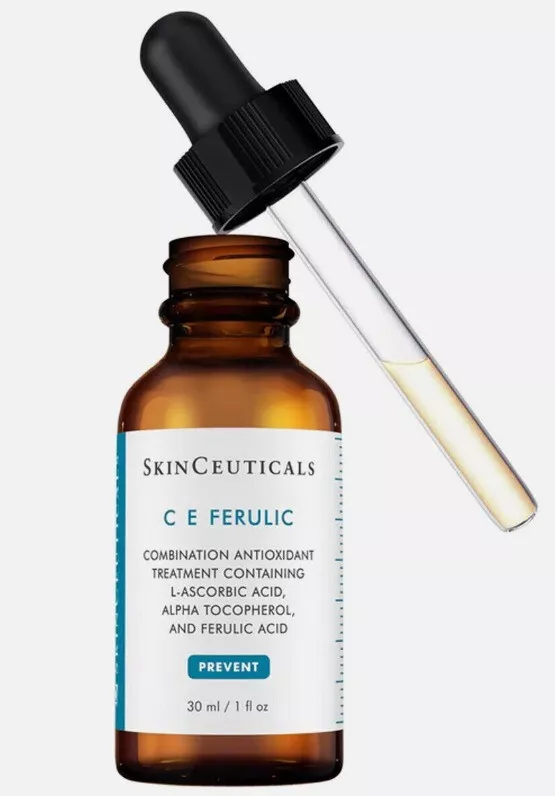
SkinCeuticals C E Ferulic
- 15% L-ascorbic acid
- 1% alpha tocopherol
- 0.5% ferulic acid

Skin Aqua UV Super Moisture Gel SPF 50+ PA++++
- Ethylhexyl methoxycinnamate (sunscreen)
- Bis-ethylhexyloxyphenol methoxyphenyl triazine (bemotrizinol) (sunscreen)
- Diethylamino hydroxybenzoyl hexyl benzoate (sunscreen)
- Ethylhexyl triazone (sunscreen)
Evening
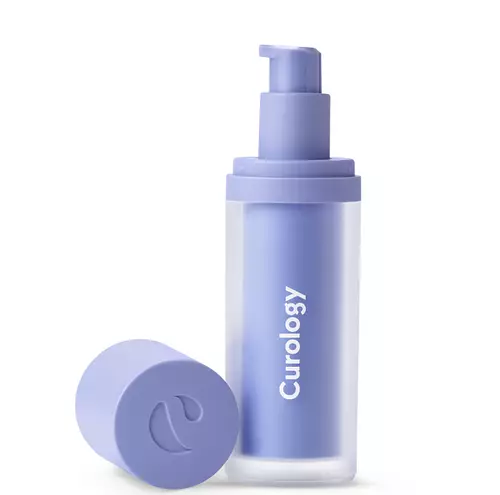
Curology custom compounded formula
- Tretinoin 0.05%
- Tranexamic acid 5%
- Niacinamide 4%

Topical rapamycin 0.1%

La Roche-Posay Toleriane Double Repair face moisturizer
- Prebiotic thermal water
- Glycerin
- Ceramide-3
- Niacinamide
Protocols
Diet
I subscribe to a vegan, plant-based diet. Unless I'm out to eat with friends, most of what I eat is delivered to my door by Thistle. My daily meals look something like the following.
Breakfast · 6:00 AM
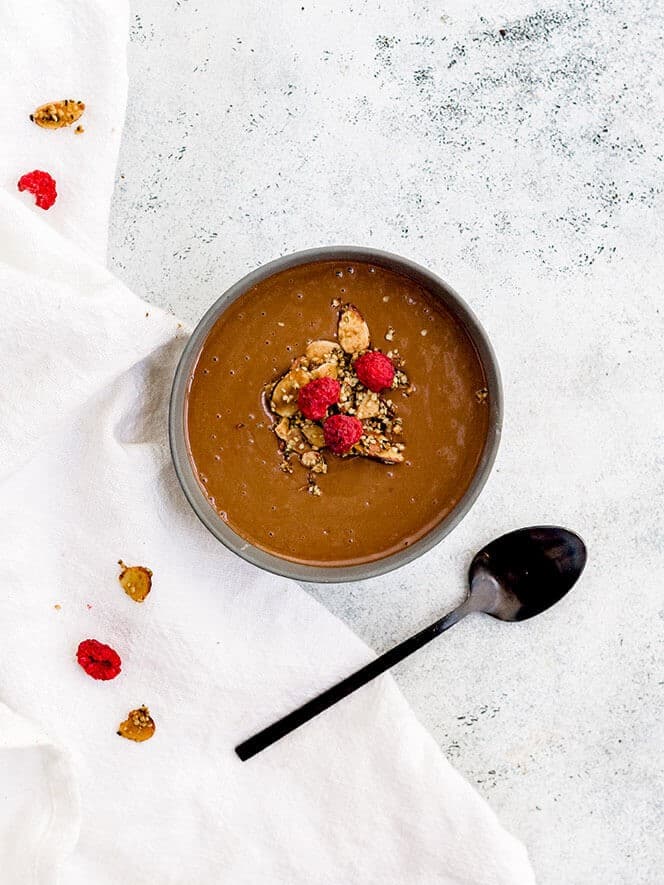
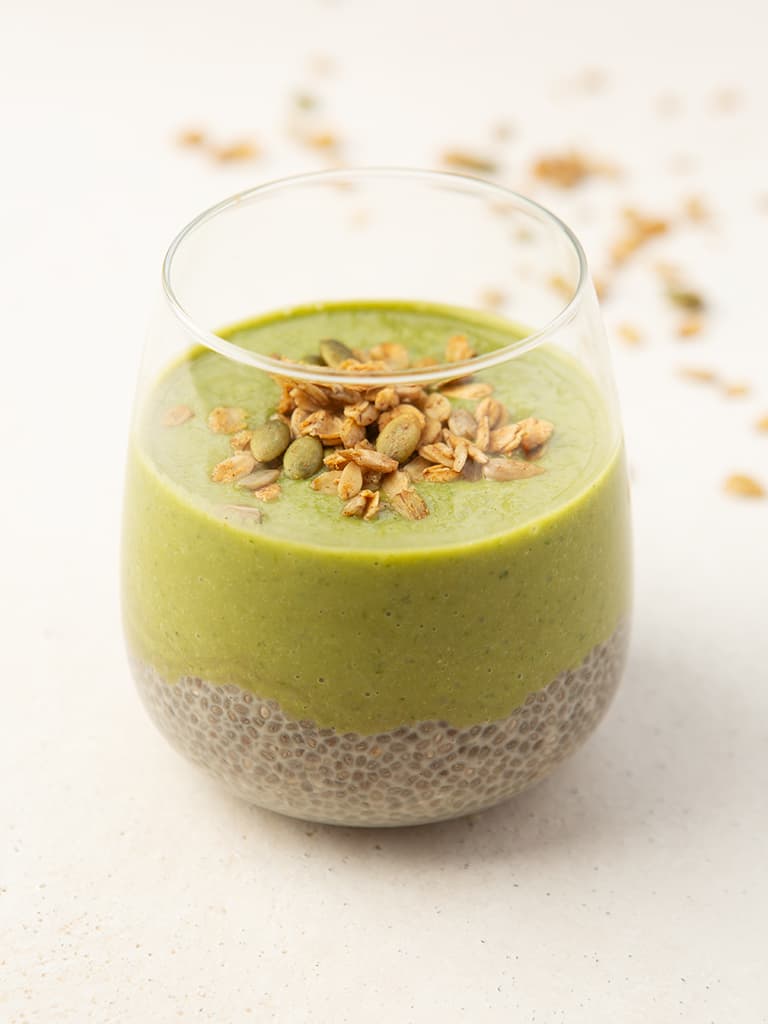

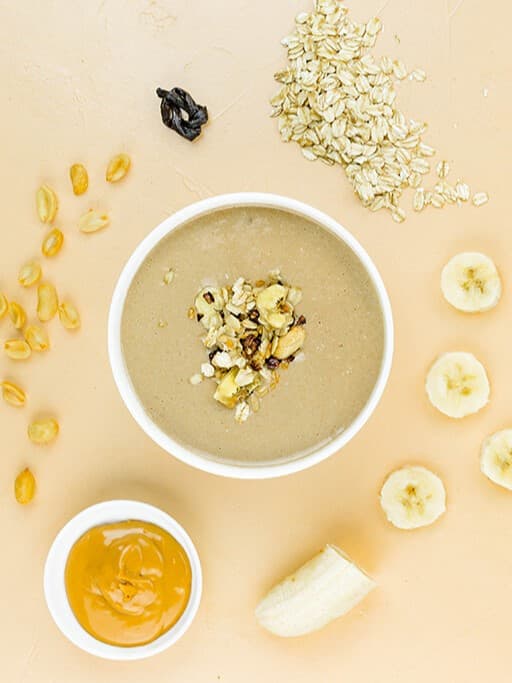
One Thistle plant-based breakfast smoothie
- 250–400 calories on average
- 100% plant ingredients by weight
- 10g+ of plant protein
- ~10g of fiber
- 0.5–1 oz of nutrient-dense booster foods
Lunch · 11:30 AM

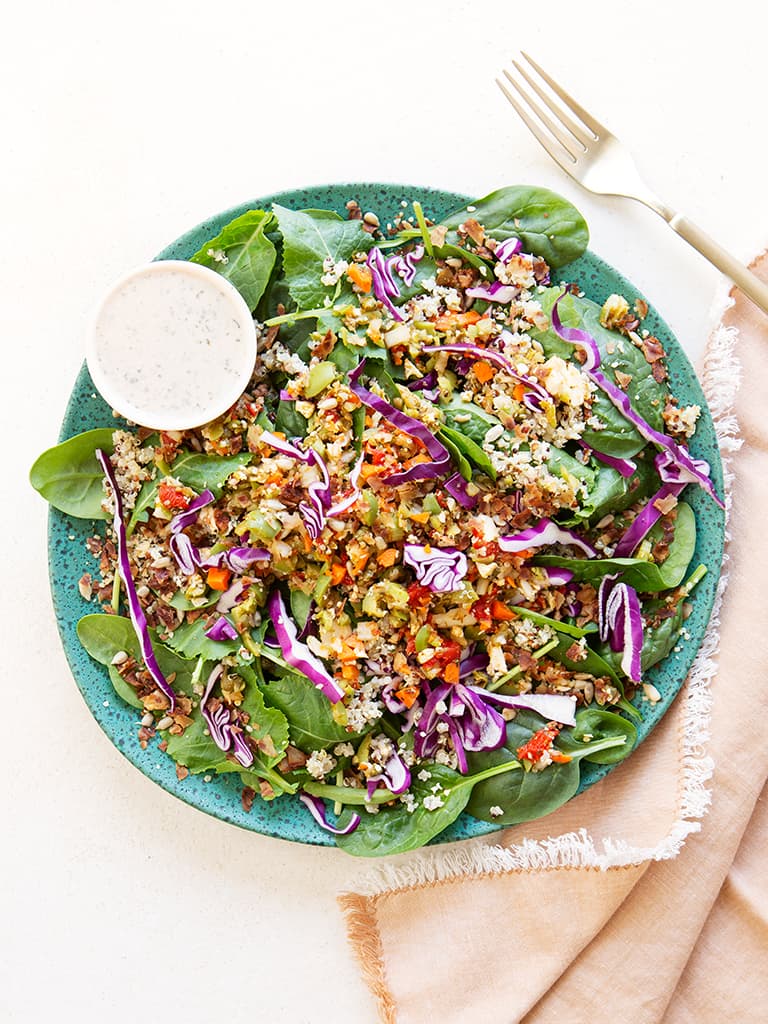

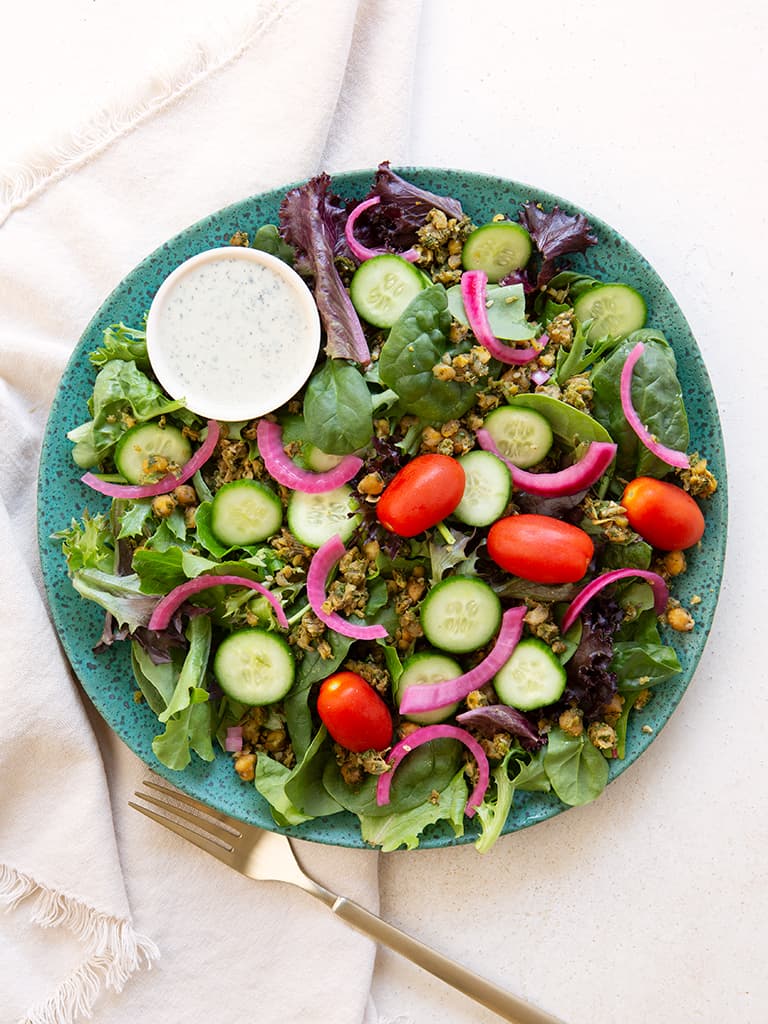
One Thistle plant-based lunch salad
- 450–650 calories on average
- 100% plant ingredients
- 20g+ of plant protein from legumes, nuts and seeds, adashah, tempeh, tofu, and whole, ancient grains
- ~15g of digestion-promoting fiber
- 2–4 cups of leafy greens and other vegetables
- 0.5–1 oz of nutrient-dense booster foods such as spirulina, dandelion root, turmeric, chia, ashwagandha, or reishi
Dinner · 4:00 PM

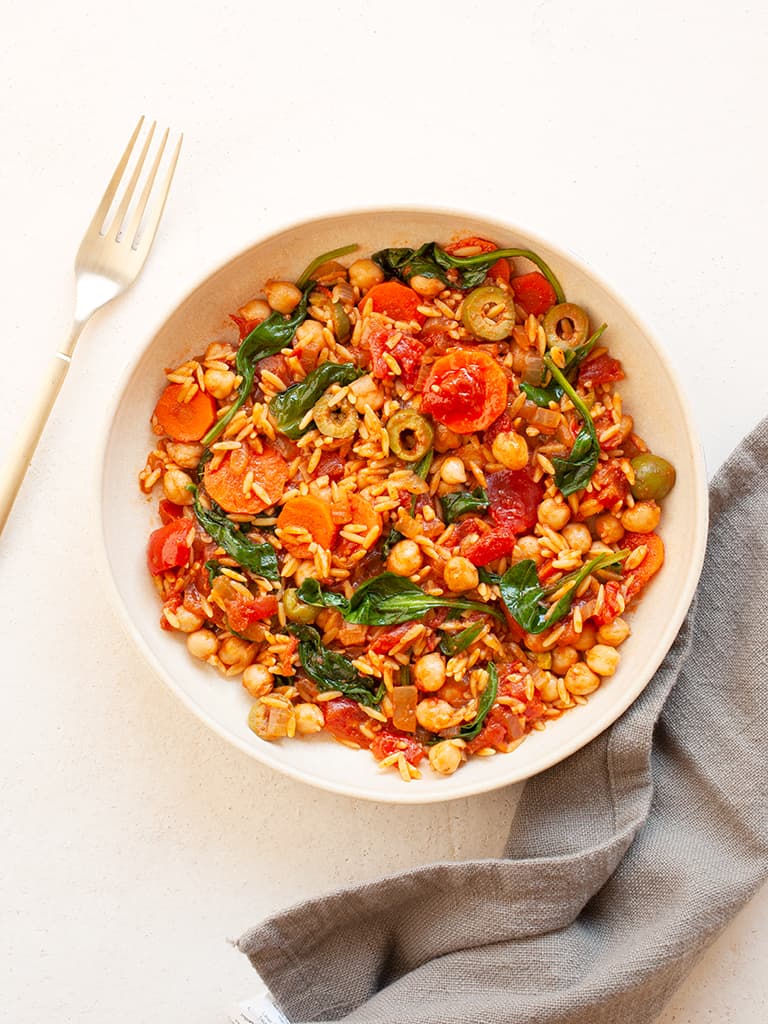

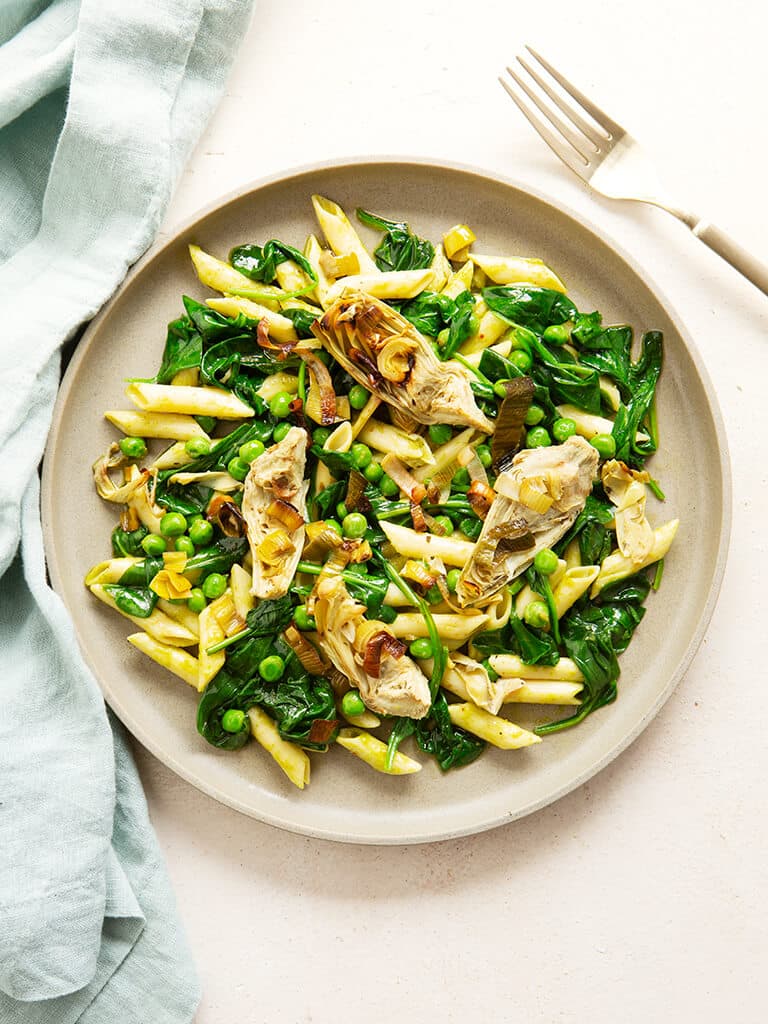
One Thistle plant-based dinner bowl
- 450–650 calories on average
- 100% plant ingredients
- 20g+ of plant protein from legumes, nuts and seeds, adashah, tempeh, tofu, and whole, ancient grains
- ~15g of digestion-promoting fiber
- 2–4 cups of leafy greens and other vegetables
- 0.5–1 oz of nutrient-dense booster foods such as spirulina, dandelion root, turmeric, chia, ashwagandha, or reishi
Protocols
Exercise
Historically, I got the majority of my exercise from walking my dogs around the block and cycling with my partner, outdoors in San Diego or indoors on Zwift.
After a DEXA scan in May 2024 revealed osteopenia, I switched to rucking (walking with a weighted backpack) to increase bone density. I have also added a three-day-per-week strength training program to increase muscle mass and bone density.
Gear
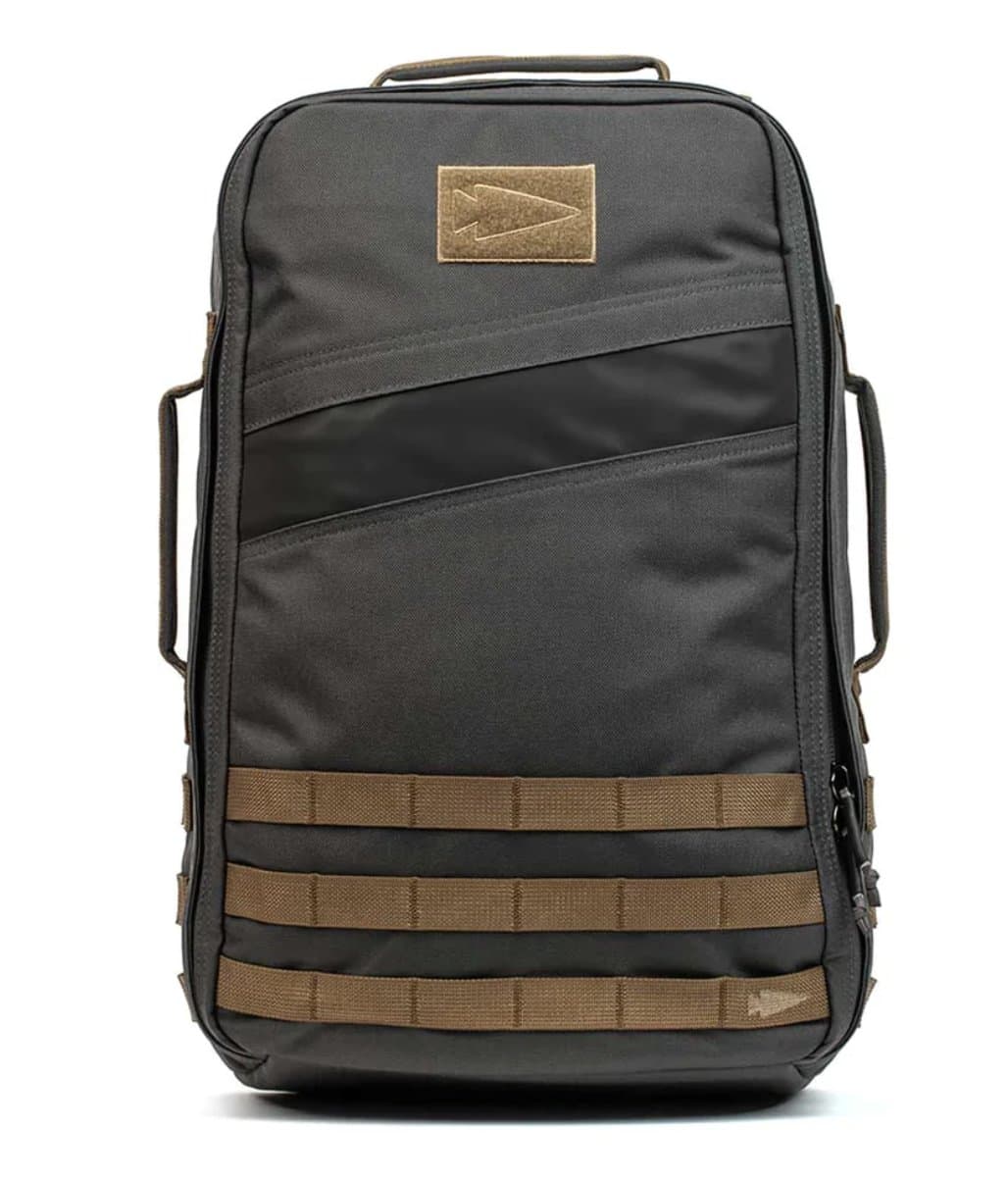
GORUCK Rucker 4.0 backpack · 20L, with padded hip belt
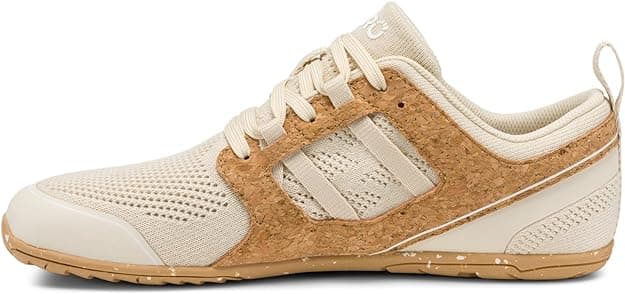
Xero Zelen shoes · sustainable cork, zero-drop, wide toebox
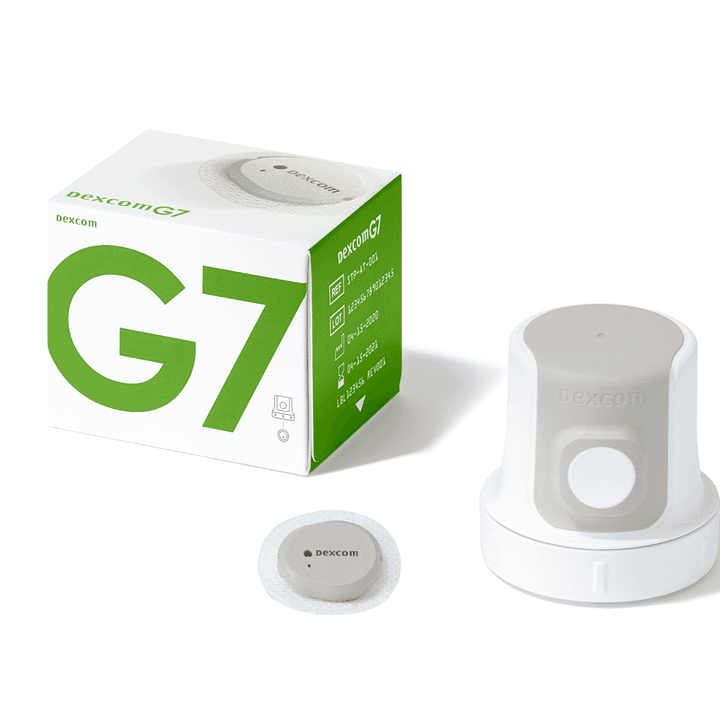
Dexcom Stelo continuous glucose monitor · switched from the Dexcom G7 in 2026
Protocols
Sleep
- Average bedtime
- 9:50 PM
- Average wakeup
- 6:05 AM
- Time to fall asleep
- <15 min
- Time to get up
- <1 min
- Average snoring
- 48 min
- Average resting heart rate
- 48–52 bpm
- Average HRV
- 42–52 ms
- Average respiratory rate
- 13.1–16.1 breaths / min
Gear

Eight Sleep Pod 3
Eye shade
Breathe Right nose strips
Protocols
Oral care
Dental stats
- Dental cleanings 4x per year
- Never had a cavity
- Invisalign and cosmetic bonding in 2017
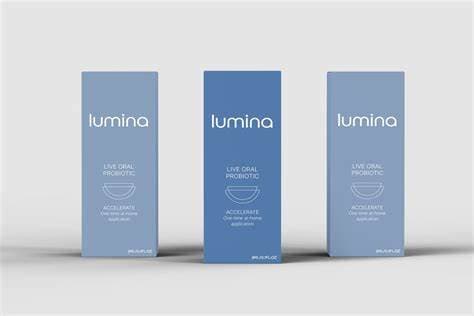
- Lumina Probiotic in June 2024
Routine
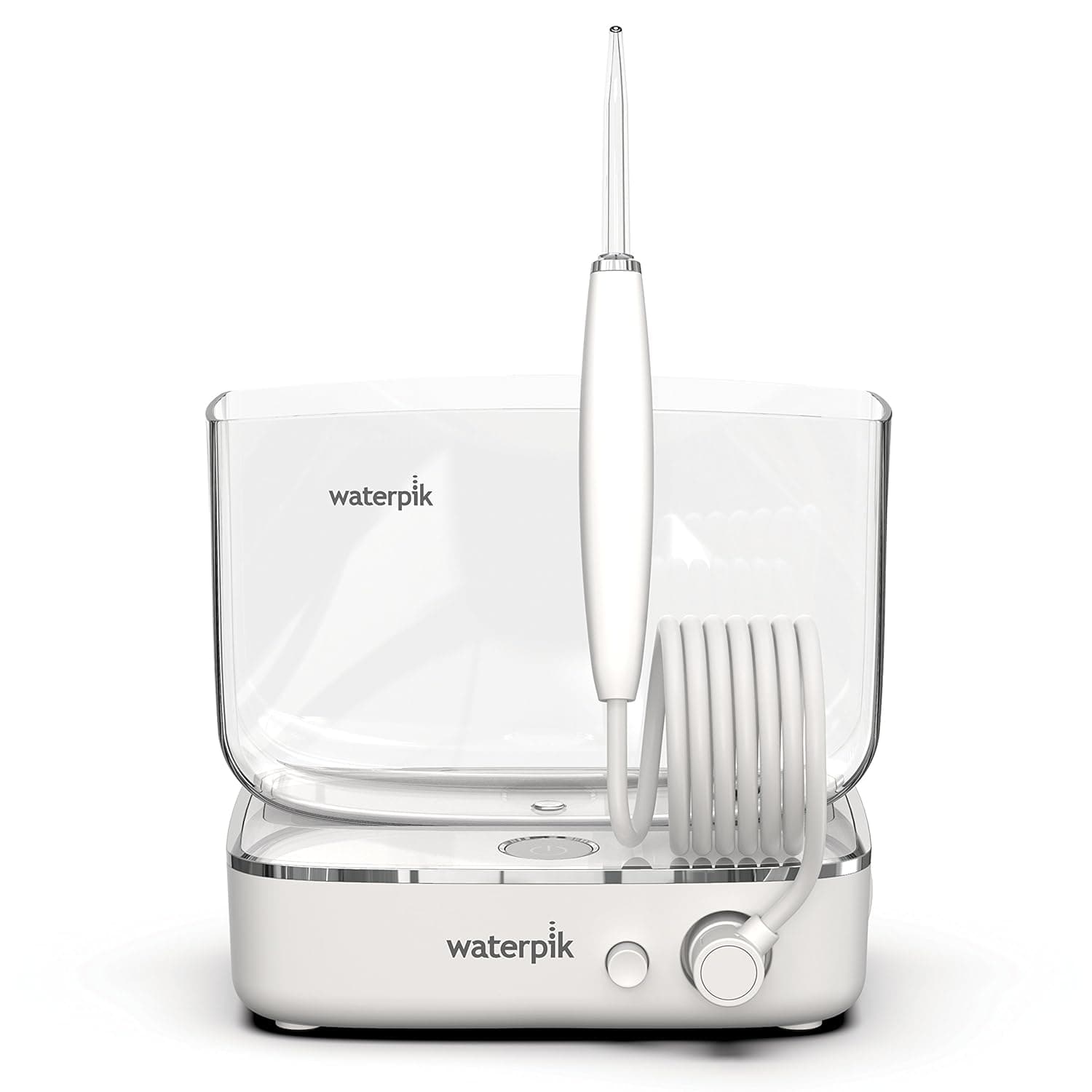
Water floss with Waterpik Sidekick · 2x per day
Wax floss with Slate Electric Flosser · 2x per day
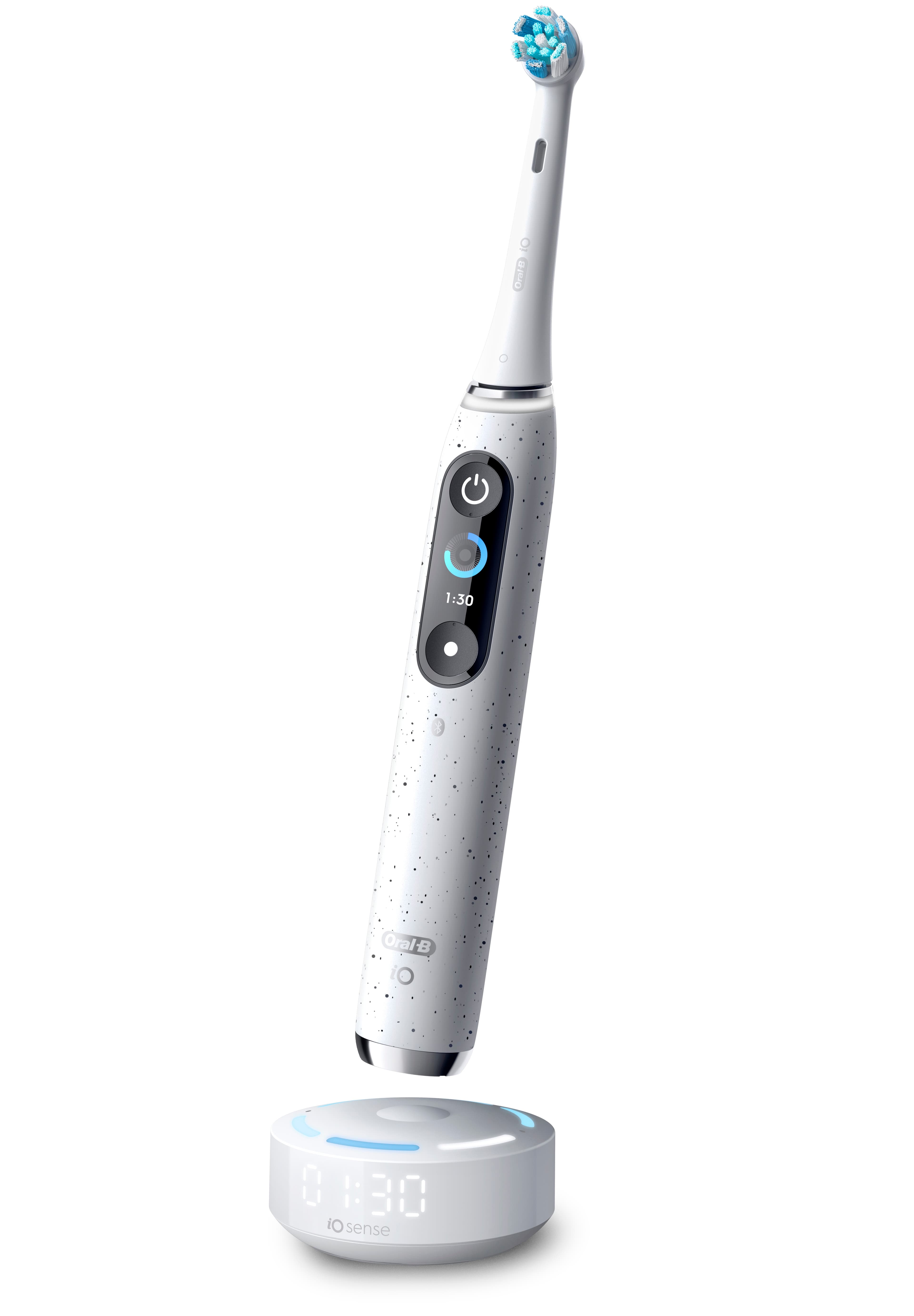
Brush with Oral-B Genius iO Series 10 electric toothbrush · 2x per day
- Morning toothpaste: LIVFRESH gel toothpaste with edathamil
- Evening toothpaste: Something Nice Zero Pro toothpaste with 10% nanohydroxyapatite